North Star Water Softener Manual: A Comprehensive Guide
This manual provides detailed instructions for installing, operating, and maintaining North Star water softeners, ensuring optimal performance and longevity.
Explore models like the NSC31, NSC42, NSC40UD1, and NSCWHC, benefiting from features such as AutoSense technology and WiFi connectivity.
Understand water hardness, regeneration cycles, and troubleshooting common issues, all to achieve consistently soft and clean water throughout your home.
North Star water softeners represent a commitment to providing households with superior water quality, addressing the pervasive issues of hard water and its detrimental effects. These systems are engineered for efficiency, incorporating innovative technologies like AutoSense salt-saving functionality, designed to minimize water waste and reduce operational costs.
The North Star range caters to diverse household needs, offering models with varying grain capacities – from the 31,300-grain NSC31 ideal for smaller families, to the robust 42,055-grain NSC42 suited for larger homes.
Beyond basic softening, North Star also provides integrated solutions, such as the NSCWHC 2-in-1 system, combining softening with whole-home filtration. Furthermore, advanced models boast WiFi connectivity, enabling remote monitoring and control via the iQua Water Management App, delivering critical water alerts directly to your smartphone. NSF certification underscores North Star’s dedication to quality and performance, ensuring compliance with rigorous industry standards.
Understanding Water Hardness and Its Effects
Water hardness is primarily caused by high concentrations of calcium and magnesium ions, leading to a multitude of undesirable effects within your home’s plumbing and appliances. Hard water manifests as scale buildup, reducing water flow, diminishing heating efficiency in water heaters, and shortening the lifespan of dishwashers and washing machines.
Beyond appliance damage, hard water impacts daily life, making it difficult to lather soap effectively, leaving residue on skin and hair, and causing spots on glassware. The formation of scale also contributes to increased energy consumption, as appliances work harder to overcome the insulating effect of mineral deposits.
North Star water softeners effectively combat these issues by removing calcium and magnesium through an ion exchange process. This results in softer water, protecting your plumbing, extending appliance life, improving cleaning efficiency, and enhancing overall water quality for a more comfortable and cost-effective household.

North Star Water Softener Models
North Star offers a range of water softener models, including the NSC31, NSC42, NSC40UD1, and NSCWHC, each designed to meet specific household needs and water hardness levels.
North Star NSC31: 31,300-Grain Capacity
The North Star NSC31 water softener is a popular choice for households with one to five people, boasting a substantial 31,300-grain capacity. This model effectively removes hardness minerals, protecting your plumbing and appliances from scale buildup.
Featuring AutoSense salt-saving technology, the NSC31 optimizes regeneration cycles, reducing salt consumption and lowering operational costs. It’s NSF certified, guaranteeing its performance in reducing hard water scale.
Installation is straightforward, and the system is designed for reliable, long-term operation. The NSC31 provides better water quality for drinking, bathing, and laundry, enhancing your overall home experience. Available on Amazon, this softener offers a balance of capacity, efficiency, and affordability, making it an excellent investment for improved water quality.
North Star NSC42: 42,055-Grain Capacity
The North Star NSC42 water softener is engineered for larger families – typically six or more members – offering a generous 42,055-grain capacity. This robust system tackles significant water hardness issues, ensuring a consistent supply of soft water throughout your home.
Like the NSC31, the NSC42 incorporates AutoSense technology, intelligently adjusting regeneration cycles to minimize salt usage and maximize efficiency. It’s also NSF certified, validating its ability to reduce hard water scale and improve water quality.
This model is ideal for homes with higher water consumption or particularly hard water sources. Available through retailers like Amazon, the NSC42 provides reliable performance and long-term savings, protecting your appliances and plumbing while delivering a superior water experience.
North Star NSC40UD1: Advanced Features Overview
The North Star NSC40UD1 represents a pinnacle of water softening technology, boasting a comprehensive suite of advanced features designed for optimal performance and user convenience. This model distinguishes itself with its intelligent functionality and responsiveness to your home’s specific water needs.
Key features include sophisticated monitoring capabilities and customizable settings, allowing for precise control over the regeneration process. The NSC40UD1 often incorporates WiFi connectivity, enabling remote access and control via the iQua Water Management App, providing critical water alerts directly to your smartphone.
Furthermore, it may include an optional motorized bypass valve, simplifying maintenance and offering added protection. Experts at WaterSoftenerSolutions highlight the NSC40UD1 as having all the top advanced features available, making it a premium choice for discerning homeowners.
North Star NSCWHC: 2-in-1 Softener & Whole Home Filtration
The North Star NSCWHC model offers a unique and comprehensive water treatment solution, combining water softening with whole-home filtration in a single, efficient unit. This 2-in-1 system addresses both water hardness and sediment/contaminant removal, providing exceptionally clean and palatable water throughout your entire home.
Featuring a high capacity system, the NSCWHC effectively softens water while simultaneously filtering out impurities, enhancing water quality for all applications. Leveraging WiFi technology and the iQua Water Management App, this model delivers critical water alerts directly to your phone, ensuring proactive maintenance and peace of mind.
The optional motorized bypass valve further enhances convenience, simplifying servicing and providing an extra layer of protection. This integrated approach simplifies installation and maximizes space efficiency, making it an ideal choice for modern homes.
Installation and Setup
Proper installation is crucial for optimal performance; consider pre-installation factors, carefully connect to the water supply, and add salt to the brine tank.

Ensure correct system startup and programming for efficient operation and enjoy the benefits of softened water throughout your home.
Pre-Installation Considerations
Before beginning the installation process, several crucial factors must be carefully considered to ensure a smooth and successful setup. First, verify adequate space around the unit for maintenance and access to the brine tank and control valve. Ensure a level surface is available to prevent instability and potential leaks.
Next, assess your home’s plumbing system. Identify the appropriate location for the softener, ideally on the main water line after the pressure tank and before any branch lines. Confirm the availability of a nearby electrical outlet for powering the control valve.
Consider water pressure requirements; North Star softeners typically operate within a specific pressure range. Finally, gather all necessary tools and materials, including pipe fittings, Teflon tape, and a bucket, to streamline the installation process and avoid delays. Careful planning at this stage will save time and frustration later on.
Connecting to Water Supply
Properly connecting the North Star water softener to your home’s water supply is a critical step in the installation process. Begin by shutting off the main water supply to your house. Next, cut the main water line and install the bypass valve assembly, ensuring correct flow direction as indicated on the valve.
Connect the inlet and outlet ports of the softener to the corresponding sides of the bypass valve using appropriate plumbing fittings and Teflon tape to prevent leaks. Ensure all connections are tight and secure.
The drain line, essential for the regeneration cycle, should be connected to a suitable drain, maintaining an air gap to prevent back-siphonage. Slowly turn the main water supply back on, checking for any leaks at the connections. Carefully inspect all joints and tighten as needed to guarantee a watertight seal.
Adding Salt to the Brine Tank
Maintaining an adequate salt level in the brine tank is crucial for the North Star water softener’s effective operation. Only use high-quality water softening salt – rock salt, solar salt, or evaporated salt – avoiding salts with red or orange coloring or anti-caking agents.
Carefully pour the salt directly into the brine tank, avoiding the central brine well. Fill the tank approximately two-thirds full, leaving ample space for water to dissolve the salt and create the brine solution.
Regularly check the salt level, especially during periods of high water usage, and replenish as needed. Avoid allowing the salt level to drop below the water line, as this can disrupt the regeneration process. Do not overfill the tank, as this can cause salt bridging.
Initial System Startup and Programming
After completing the physical installation, the North Star water softener requires initial programming for optimal performance. Begin by ensuring the power supply is connected and the unit is turned on. Access the control valve panel and navigate to the programming mode, typically initiated by pressing and holding a specific button combination – consult your model-specific instructions.
Input your water hardness level, determined through a water test, into the system. Program the desired regeneration time, ideally during periods of low water usage, such as overnight. Configure any additional settings, like salt dosage or bypass options, based on your specific needs.
Initiate a manual regeneration cycle to prime the system and ensure proper operation. Monitor the cycle to confirm correct functionality and address any potential issues.
Operation and Maintenance
Regular monitoring of salt levels, understanding the regeneration cycle, and cleaning the brine tank are crucial for sustained performance.
Familiarize yourself with the control valve functions to ensure efficient operation and address potential issues promptly.
Understanding the Control Valve
The control valve is the brain of your North Star water softener, orchestrating the entire softening and regeneration process. It meticulously manages water flow, directing it through the resin tank for hardness removal and the brine tank for regeneration. Understanding its components and functions is key to optimal system performance.
Typically, the control valve features a digital display and buttons for programming and monitoring. These allow you to set the regeneration schedule, adjust salt dosage, and view system status. Familiarize yourself with the different modes – Service, Backwash, Brine Draw, Rinse, and Brine Refill – each playing a vital role in maintaining water quality.
The valve’s internal parts, including the meter and various solenoids, work in harmony to ensure precise timing and efficient operation. Regularly inspect the valve for any signs of leaks or malfunctions, as these can impact softening effectiveness. Refer to your specific model’s diagram for detailed component identification and troubleshooting guidance.
Regeneration Cycle Explained
The regeneration cycle is a crucial process that replenishes the resin beads’ ability to remove hardness minerals. This automated process occurs periodically, typically overnight, ensuring a continuous supply of soft water. It consists of five distinct phases: Backwash, Brine Draw, Rinse, Brine Refill, and Service.
During Backwash, water flows upwards through the resin tank, flushing out accumulated sediment and debris. Next, in Brine Draw, the valve draws brine from the brine tank, saturating the resin beads with salt. The Rinse phase then washes away excess brine and displaced hardness minerals.
Subsequently, the Brine Refill phase replenishes the brine tank with water, preparing it for the next regeneration cycle. Finally, the system returns to Service, providing softened water. The frequency of regeneration is determined by water usage and hardness levels, often automatically adjusted by AutoSense technology in newer models.
Monitoring Salt Levels
Regularly checking the salt level in the brine tank is essential for optimal softener performance. Insufficient salt prevents effective regeneration, leading to hard water breakthrough; Ideally, the brine tank should maintain at least half its capacity filled with salt, though this can vary based on salt type and usage.
Visually inspect the salt level at least monthly, and more frequently with higher water consumption. Use high-quality softener salt – rock salt, solar salt, or evaporated salt – avoiding salt with red or orange dyes, as these can damage the system.
A salt crust or bridge can form, blocking water flow to dissolve the salt; break up any bridges with a broom handle. Ensure the brine well float is unobstructed, allowing proper water filling. Consistent monitoring and proper salt maintenance guarantee a reliable supply of softened water.
Cleaning the Brine Tank
Periodically cleaning the brine tank is crucial for maintaining water softener efficiency. Over time, sediment, salt residue, and debris can accumulate, hindering proper operation and potentially causing malfunctions. It’s recommended to clean the tank annually, or more frequently if you notice reduced performance or excessive salt usage.
Begin by disconnecting the power supply to the softener. Remove any remaining salt from the tank. Use a wet/dry vacuum to remove sediment and debris from the bottom. Inspect the brine well and float for obstructions, cleaning them thoroughly.
Rinse the tank with warm water, ensuring all residue is removed. Avoid using harsh chemicals or abrasive cleaners. Reassemble the components and refill the tank with fresh salt. Regular cleaning ensures optimal brine production and extends the life of your North Star water softener.
Troubleshooting Common Issues
This section addresses frequent problems like low water pressure, salt bridge formation, and error codes, offering solutions for optimal softener function.
Learn to diagnose and resolve issues, even if water still tastes hard, ensuring consistently soft water throughout your home.
Low Water Pressure Problems
Reduced water pressure after North Star softener installation often stems from several easily addressable causes. First, verify the bypass valve is fully open; a partially closed valve restricts flow. Inspect the softener’s inlet and outlet connections for any kinks or obstructions in the plumbing lines. Sediment buildup within the control valve or resin tank can also significantly decrease pressure – regular cleaning is crucial.
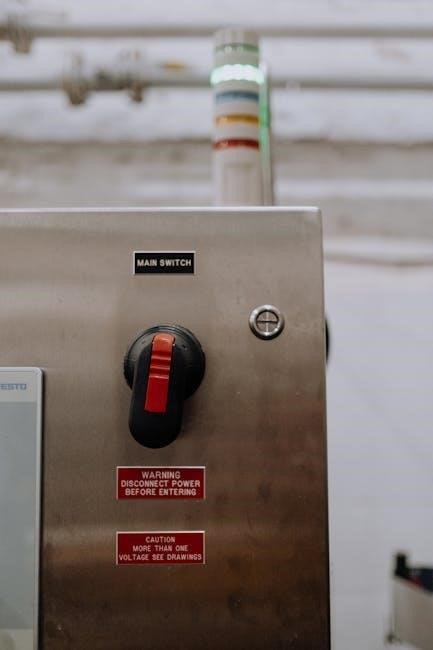
Ensure the brine tank isn’t overflowing with salt, creating a salt bridge, as this can impede water flow. If the issue persists, check your home’s main water pressure; a generally low municipal supply will affect the softener’s output. Consider a professional plumbing inspection to rule out issues within your home’s piping system. Finally, confirm the softener’s regeneration cycle isn’t actively running, as this temporarily reduces water pressure.
Remember to consult the full manual for detailed diagrams and specific troubleshooting steps related to your North Star model.
Salt Bridge Formation
A salt bridge is a crust-like layer that forms on the surface of salt within the brine tank, preventing water from dissolving the salt needed for regeneration. This commonly occurs with iodized salt, which tends to clump, or when the brine tank remains consistently damp without sufficient water usage. To resolve a salt bridge, carefully break it apart using a broom handle or similar tool, avoiding damage to the tank’s interior.
Ensure adequate water flow into the brine tank during regeneration by verifying the brine draw cycle is functioning correctly. Using rock salt, specifically designed for water softeners, minimizes bridge formation compared to table salt. Regularly clean the brine tank to remove sediment and debris that contribute to clumping.
Maintain a proper salt level, typically several inches from the top of the tank, and avoid overfilling. Consult your North Star manual for specific recommendations regarding salt type and brine tank maintenance.
Error Codes and Their Meanings
North Star water softeners utilize error codes to diagnose system malfunctions, displayed on the control valve panel. Understanding these codes is crucial for effective troubleshooting. A common code, “ERR 1,” often indicates a flow meter issue, potentially requiring cleaning or replacement. “ERR 2” typically signals a problem with the motor, possibly a stalled or failing motor assembly.
“ERR 3” frequently points to a low salt level or a brine draw issue, necessitating a check of the brine tank and salt supply. Refer to your specific model’s manual for a comprehensive list of error codes and their corresponding solutions.
Resetting the system after addressing the issue may clear the code; however, persistent errors require professional assistance. Always document the error code before contacting customer support for efficient diagnosis and repair.
Water Still Tastes Hard
If water continues to taste hard after softener installation or regeneration, several factors could be at play. First, verify the correct salt dosage is programmed into the control valve, ensuring sufficient regeneration. Check for any plumbing bypasses that might be allowing untreated water to mix with softened water. Inspect the softener’s resin bed for exhaustion or fouling, potentially requiring cleaning or replacement.
Confirm the system is regenerating frequently enough based on your water hardness and household water usage. A malfunctioning control valve could also prevent proper regeneration.
Consider a water quality test to accurately assess hardness levels post-softening. If issues persist, consult a water treatment professional for a thorough system evaluation.
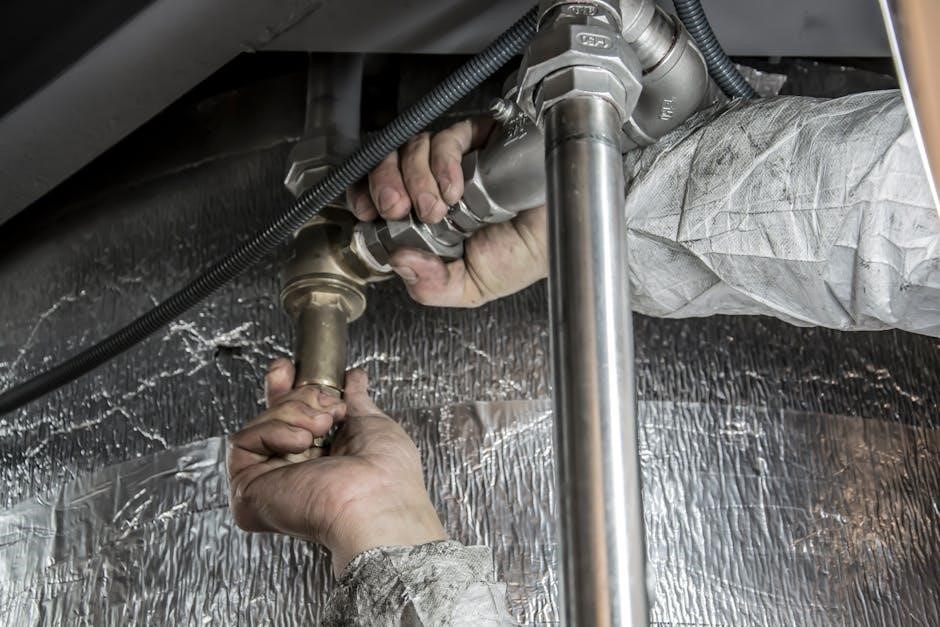
Advanced Features & Technology
North Star softeners boast innovative technologies, including AutoSense for salt efficiency, WiFi connectivity via the iQua app, and optional motorized bypass valves for convenient control.
AutoSense Salt-Saving Technology
North Star’s AutoSense technology represents a significant advancement in water softener efficiency, dynamically adjusting regeneration cycles based on actual water usage patterns. Unlike traditional systems that operate on fixed schedules, AutoSense monitors water hardness and consumption, optimizing salt and water usage.
This intelligent system learns your household’s specific needs, extending the time between regeneration cycles when water demand is low, and initiating them promptly when necessary. The result is substantial savings on both salt and water bills, while maintaining consistently soft water quality.
AutoSense minimizes environmental impact by reducing water waste and salt discharge. It’s a key feature found in models like the NSC31 and NSC42, providing homeowners with a cost-effective and eco-friendly solution for water softening. This technology ensures peak performance and long-term savings.
WiFi Connectivity and iQua Water Management App
North Star water softeners, particularly the NSCWHC model, offer seamless integration with your smart home through built-in WiFi connectivity and the innovative iQua Water Management App. This powerful combination provides remote monitoring and control of your water softening system directly from your smartphone or tablet.
The iQua app delivers critical water alerts, notifying you of potential issues such as salt level warnings, system malfunctions, or excessive water usage. You can also track water consumption, monitor regeneration cycles, and adjust settings remotely, ensuring optimal performance and efficiency.
This feature offers peace of mind, especially when you’re away from home, allowing you to proactively address any problems and prevent costly water damage. The iQua app simplifies water softener management, providing convenience and control at your fingertips.
Motorized Bypass Valve (Optional)
For enhanced convenience and system protection, North Star offers an optional motorized bypass valve for select water softener models. This automated valve allows you to seamlessly switch between softened and unsoftened water without manually adjusting pipes, providing uninterrupted water supply during maintenance or emergencies.
The motorized bypass valve is particularly useful during regeneration cycles, allowing water to bypass the softener and continue flowing to your home without interruption. It also simplifies repairs, as you can isolate the softener for servicing without shutting off the entire water supply.
Controlled through the iQua Water Management App, the bypass valve can be programmed for automatic operation or activated remotely, offering a higher level of control and flexibility. This feature is a valuable addition for homeowners seeking a truly automated and reliable water softening solution.
NSF Certification and Water Quality
North Star water softeners are NSF certified, guaranteeing they meet stringent standards for material safety and performance.
These systems effectively reduce hard water scale, protecting plumbing and appliances while improving water quality.
NSF Certification Standards
NSF International certification is a crucial aspect of North Star water softener quality, demonstrating adherence to rigorous testing and validation protocols. Specifically, NSF/ANSI Standard 44 focuses on the health effects of materials used in drinking water systems, ensuring they don’t leach harmful contaminants.
This standard evaluates the softener’s ability to reduce specific contaminants, like chlorine and sediment, alongside its structural integrity and performance. North Star’s NSF certification confirms that their softeners meet these requirements, providing consumers with confidence in the water’s safety and purity.
The certification process involves independent laboratory testing and periodic re-evaluation, maintaining consistent quality control. It’s a testament to North Star’s commitment to providing reliable and safe water softening solutions for homes and families, backed by a respected third-party authority.
Reducing Hard Water Scale
North Star water softeners effectively reduce hard water scale, a significant benefit for plumbing and appliance longevity. Hard water contains minerals like calcium and magnesium, which precipitate and form scale buildup within pipes, water heaters, and dishwashers.
The softening process replaces these hardness minerals with sodium or potassium ions, preventing scale formation. This translates to improved water flow, increased energy efficiency of water-heating appliances, and extended lifespan for plumbing fixtures.
Consistent use of a North Star softener minimizes scale-related repairs and replacements, saving homeowners money over time. Furthermore, softened water enhances the effectiveness of soaps and detergents, leading to cleaner laundry and dishes, and a more enjoyable showering experience, free from soap scum.
Impact on Plumbing and Appliances
Hard water’s relentless scale buildup significantly impacts plumbing and appliances, leading to reduced efficiency and costly repairs. Within pipes, scale restricts water flow, decreasing water pressure and potentially causing blockages. Water heaters suffer from scale insulation, requiring more energy to heat water and shortening their lifespan.
Dishwashers and washing machines experience reduced cleaning performance due to mineral interference with detergents. Scale can also damage internal components, necessitating premature replacements. North Star water softeners mitigate these issues by eliminating the root cause – hard water minerals.
By preventing scale, these systems protect investments in plumbing and appliances, extending their operational life and maintaining peak performance. This results in long-term cost savings and a more reliable home water system.