Vermont Castings Radiance Gas Stove Manual: A Comprehensive Guide
This manual provides detailed instructions for the Vermont Castings Radiance gas stove, covering installation, operation, maintenance, and troubleshooting.
It’s a resource for safe and efficient use, offering step-by-step guidance and solutions to common issues.
Understanding Your Radiance Stove
Your Vermont Castings Radiance gas stove is a sophisticated heating appliance designed for both beauty and performance. Before operation, familiarize yourself with its core functionalities. This stove utilizes a gas fuel source, typically natural gas or propane, to generate heat efficiently. Understanding the components – from the burner assembly to the thermostat control – is crucial for safe and optimal use.
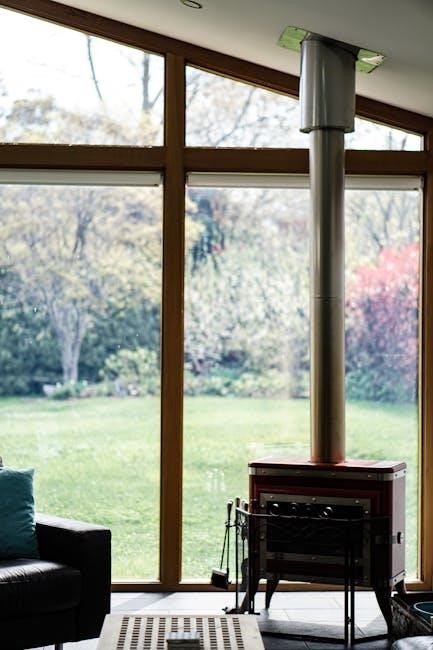
The Radiance stove isn’t simply a heat source; it’s engineered to provide a realistic flame appearance and consistent warmth. The stove’s operation relies on a precise gas flow, regulated by the control settings, and a reliable ignition system, often involving a pilot light or electronic ignition.
This manual will guide you through each aspect of your stove, from initial setup and burner adjustment to routine cleaning and maintenance. Remember, proper understanding and adherence to safety precautions are paramount. Utilizing the provided information will ensure years of reliable and enjoyable operation. The stove’s performance is also linked to proper ventilation, which will be discussed in detail.
Model Identification and Serial Numbers
Locating your Vermont Castings Radiance gas stove’s model number and serial number is essential for accurate identification when ordering parts, contacting customer support, or referencing warranty information. These numbers uniquely identify your specific stove configuration and manufacturing date.
The model number typically indicates the stove’s features and design variations. The serial number, a longer alphanumeric code, provides precise manufacturing details. Both are usually found on a metal plate affixed to the stove. Common locations include the back panel, inside the firebox, or behind the access panel.
Record these numbers in a safe place for future reference. When contacting Vermont Castings or a service technician, having this information readily available will expedite the process. It ensures you receive the correct parts and support tailored to your specific Radiance stove model. Accurate identification prevents compatibility issues and ensures optimal performance. Keep this information with your manual!
Safety Precautions and Warnings
Prior to installing and operating your Vermont Castings Radiance gas stove, carefully review these critical safety precautions. Gas appliances present inherent risks if not handled correctly. Improper installation or operation can lead to fire, explosion, carbon monoxide poisoning, and serious injury or death.
Always ensure proper ventilation. This stove requires a dedicated B-vent system to safely exhaust combustion gases. Never obstruct the vent or operate the stove without it functioning correctly. Regularly inspect the vent for blockages. Carbon monoxide detectors are strongly recommended in homes with gas appliances.

Keep combustible materials away from the stove. Never store flammable liquids or solids nearby. Children and pets should be supervised around the stove. If you smell gas, immediately shut off the gas supply, evacuate the area, and contact your gas company or fire department. Do not attempt to repair the stove yourself; contact a qualified technician.

Component Overview: Parts List
The Vermont Castings Radiance gas stove comprises several key components essential for safe and efficient operation. These include the main burner assembly, responsible for generating heat, and the pilot assembly, which ignites the main burner. The thermostat controls temperature regulation, while the gas control valve manages gas flow.

The B-vent system, consisting of vent pipes and connectors, safely exhausts combustion gases. The glass door provides visibility and retains heat, and the log set creates a realistic flame appearance. Other vital parts include the burner grate, supporting the logs, and the control knobs, allowing user adjustments.
Essential for maintenance and repair, understanding these components is crucial. The manual details each part’s function and location. Replacement parts should always be genuine Vermont Castings components to ensure compatibility and safety. A detailed exploded view diagram, often included in the full manual, visually illustrates each part and its relationship to others.
Installation Instructions: Gas Line Connection
Connecting the gas line is a critical step requiring strict adherence to safety guidelines. Always shut off the main gas supply before commencing any work. A qualified gas technician should perform this installation to ensure compliance with local codes and regulations. Use only approved gas pipe sealant, specifically designed for natural gas or propane, on all threaded connections.
The gas supply line must be of adequate size to handle the stove’s BTU input. Refer to the stove’s specifications for the correct pipe size. A drip leg, a downward-facing section of pipe, should be installed before the gas control valve to trap debris. Ensure the gas line is free from kinks or damage.
After connecting the gas line, carefully check all connections for leaks using a soap and water solution. Bubbles indicate a leak; immediately tighten the connection or replace the fitting. Never use an open flame to check for leaks. Following these instructions ensures a safe and reliable gas connection.
Ventilation Requirements: B-Vent System
Proper ventilation is paramount for safe operation, as the Vermont Castings Radiance gas stove utilizes a B-vent system to exhaust combustion gases. This system requires a dedicated vent pipe, specifically designed for gas appliances, and must not be connected to any other venting system. The B-vent pipe must maintain a consistent upward slope to facilitate natural draft.

The vent pipe’s diameter and length are critical; adhere strictly to the specifications outlined in this manual and local building codes. Excessive length or improper diameter can impede draft, leading to carbon monoxide buildup. Inspect the B-vent system annually for obstructions, corrosion, or damage. Ensure adequate clearance between the vent pipe and combustible materials.
Never obstruct the air intake or exhaust vent. Proper airflow is essential for efficient combustion and safe operation. A blocked vent can cause incomplete combustion, resulting in carbon monoxide production. Regular inspection and maintenance of the B-vent system are vital for continued safe use.
Initial Startup and Burner Adjustment
Before the initial startup, ensure the gas supply is fully open and a qualified technician has verified the gas line connection. Purge the gas line of air by briefly operating the stove on pilot mode before attempting full ignition. Upon initial lighting, observe the burner flame closely. It should be a clear, blue flame with minimal yellow tipping, indicating complete combustion.
Adjust the burner flame height using the control knob, following the manufacturer’s recommended settings. If the flame is unstable, excessively high, or exhibits significant yellow tipping, it requires adjustment. Consult a qualified technician for precise burner adjustment, as improper settings can lead to inefficient operation and potential safety hazards.

Allow the stove to burn for several hours during the initial startup to fully cure any residual manufacturing oils or coatings. Monitor for any unusual odors or noises. A slight odor may be present initially, but should dissipate quickly. Regular observation during the first few uses ensures optimal performance and identifies any potential issues early on.
Operating Instructions: Control Settings
The Vermont Castings Radiance gas stove features intuitive control settings for ease of operation. The primary control knob regulates the burner’s heat output, ranging from a low simmer setting to a high output for rapid heating. Familiarize yourself with the markings on the knob, which indicate relative heat levels, though precise temperatures may vary.
To ignite the stove, turn the control knob to the “Pilot” position, then press and hold the ignition button until the pilot light establishes. Once lit, continue holding the button for a few seconds before releasing. Subsequently, turn the knob to the desired heat setting. The stove will automatically modulate the flame to maintain the selected temperature.
Experiment with different settings to achieve your desired cooking results. Lower settings are ideal for simmering and gentle heating, while higher settings are suitable for boiling and searing. Always start with a lower setting and gradually increase it as needed. Remember to turn the control knob to the “Off” position when finished cooking.
Understanding the Thermostat Control
The Vermont Castings Radiance gas stove incorporates a thermostat control designed to maintain a consistent and desired temperature within the stove. This feature differs from simple heat settings, offering precise temperature regulation for optimal cooking and heating performance. The thermostat dial allows you to select a specific temperature, rather than a relative heat level.
To operate the thermostat, turn the dial to the desired temperature, indicated in degrees Fahrenheit or Celsius. The stove will automatically cycle the burner on and off to maintain the set temperature. A slight temperature fluctuation is normal, but the thermostat will consistently return to the selected level. Observe the stove’s performance to understand its response time and adjust accordingly.
Regularly check the thermostat’s accuracy by comparing the set temperature with an independent thermometer. If discrepancies are noted, consult the troubleshooting section or contact customer support. Proper thermostat function ensures efficient operation and consistent results.
Pilot Light Operation and Troubleshooting
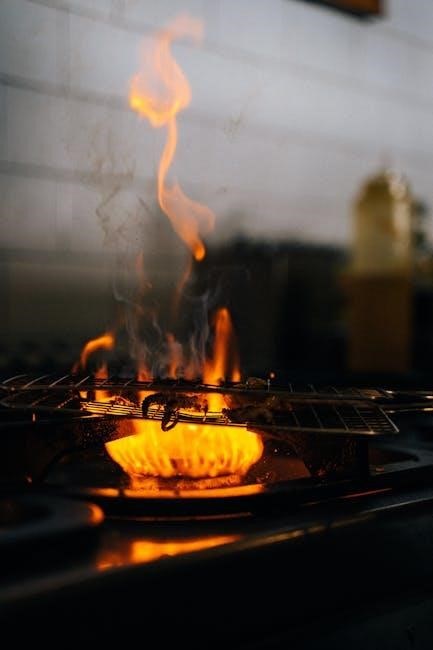
The pilot light on your Vermont Castings Radiance gas stove is crucial for ignition and safe operation. A consistent, blue flame indicates proper function. If the pilot light is extinguished, the stove will not ignite, and a potential gas leak could occur. Always follow safety precautions when dealing with the pilot light.
To relight the pilot, typically involves turning the gas control knob to the “Pilot” position, pressing and holding the reset button while simultaneously igniting the pilot with a spark igniter or match. Continue holding the reset button for approximately 30-60 seconds after ignition. If the pilot doesn’t stay lit, repeat the process or consult the troubleshooting section.
Common issues include a dirty pilot orifice, a faulty thermocouple, or low gas pressure. A clogged orifice restricts gas flow, while a failing thermocouple prevents the gas valve from staying open. If problems persist, do not attempt repairs yourself; contact a qualified technician. Regular inspection and cleaning can prevent pilot light issues.
Cleaning and Maintenance Procedures
Regular cleaning and maintenance are essential for the longevity and efficient operation of your Vermont Castings Radiance gas stove. Always disconnect the gas supply before performing any maintenance. Begin by allowing the stove to cool completely.
For daily cleaning, wipe down the exterior surfaces with a damp cloth and mild detergent. Avoid abrasive cleaners, which can damage the finish. The glass door requires specific glass cleaner designed for stove tops to prevent scratching and maintain clarity. Inspect the burner assembly for debris and obstructions, removing any buildup with a soft brush.
Periodically, inspect the vent system (B-vent) for blockages or corrosion. A professional inspection is recommended annually. Check gas connections for leaks using a soapy water solution. Never use an open flame to check for leaks. Proper maintenance ensures safe and optimal performance, preventing potential hazards and extending the life of your stove.
Glass Door Operation and Cleaning
The glass door of your Vermont Castings Radiance gas stove is designed for both viewing the flames and controlling airflow. To open, gently pull the handle outwards; to close, simply push it shut. Ensure the door seals tightly to maintain efficient combustion and prevent heat loss. Avoid slamming the door, as this can damage the hinges and glass.
Cleaning the glass door is crucial for maintaining visibility and aesthetic appeal. Use a specialized glass cleaner formulated for stove and fireplace glass – avoiding abrasive cleaners that can cause scratches. Apply the cleaner to a soft cloth and gently wipe the glass surface. For stubborn residue, a plastic scraper can be used cautiously.
Regular cleaning, ideally after each use when cool, prevents buildup and makes future cleaning easier. Inspect the door gasket for wear and tear; a damaged gasket compromises the seal and requires replacement. Proper door operation and cleaning contribute to safe and enjoyable stove operation.
Troubleshooting Common Issues: No Heat
If your Vermont Castings Radiance gas stove isn’t producing heat, several factors could be at play. First, verify the gas supply is turned on, both at the stove and the main gas valve. Check the pilot light; if extinguished, follow the ‘Pilot Light Operation’ section for relighting instructions. Ensure the thermostat is set to a temperature higher than the room temperature.
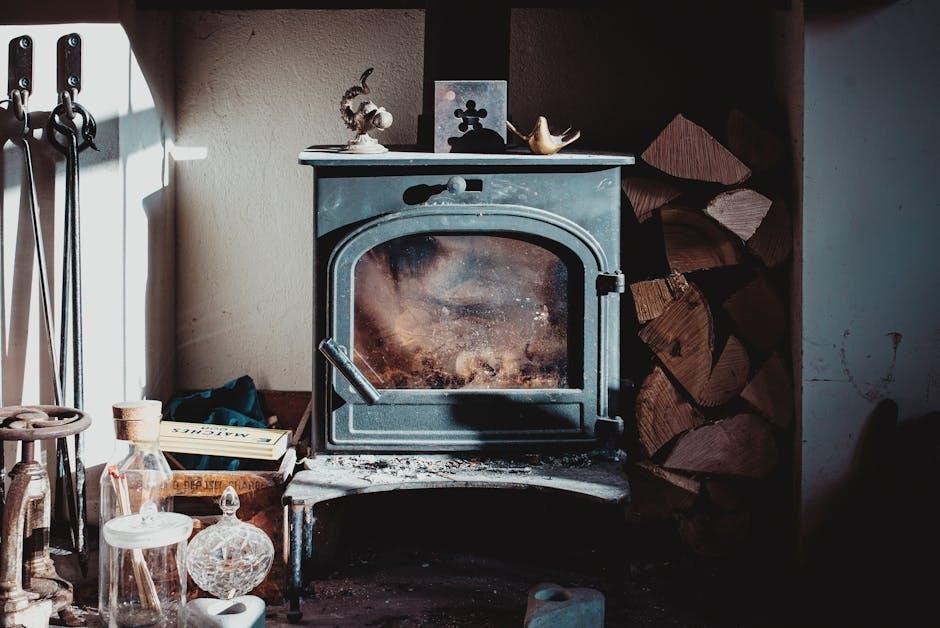
A blocked vent can also cause a lack of heat. Inspect the B-vent system for obstructions, ensuring proper airflow. Confirm the burner ports are clean and free from debris. If the stove clicks but doesn’t ignite, the igniter may be faulty. A malfunctioning thermostat could also prevent the burner from activating.
If these checks don’t resolve the issue, consult a qualified gas appliance technician. Do not attempt repairs beyond your expertise. Safety is paramount; never operate the stove if you suspect a gas leak. A systematic approach to troubleshooting will quickly identify and resolve the problem.
Troubleshooting Common Issues: Pilot Light Problems
A flickering or constantly extinguishing pilot light on your Vermont Castings Radiance stove indicates potential issues. First, ensure the gas supply is stable and the valve is fully open. Check the pilot light orifice for any blockages – a small wire or compressed air can carefully clear it. A dirty or faulty thermocouple is a common culprit; it senses the pilot flame and allows gas flow.
If the pilot light won’t stay lit after repeated attempts, the thermocouple likely needs replacement. Low gas pressure can also cause pilot light instability. Inspect the gas line for kinks or damage. Drafts can extinguish the pilot; ensure the area around the stove is free from strong air currents.
If problems persist, consult a qualified gas appliance technician. Never attempt to modify the gas valve or pilot assembly. Prioritize safety; if you smell gas, immediately shut off the supply and ventilate the area. A consistent pilot flame is crucial for safe and reliable stove operation.
Replacing Parts: Burner Assembly
Replacing the burner assembly on your Vermont Castings Radiance stove requires careful attention to safety. Always shut off the gas supply and allow the stove to cool completely before beginning. Disconnect the pilot light assembly and any associated wiring, noting their positions for reassembly.
Remove the old burner assembly by unscrewing any retaining screws or bolts. Carefully lift the assembly out, observing the gas connection point. Install the new burner assembly, ensuring a secure fit and proper alignment with the gas valve. Reconnect the pilot light and wiring, mirroring the original configuration.
Before relighting the stove, check all connections for leaks using a soap solution. If bubbles appear, tighten the connection. A properly installed burner assembly ensures efficient combustion and optimal heating performance. If unsure about any step, consult a qualified gas appliance technician. Prioritize safety throughout the process.
Replacing Parts: Thermostat
Replacing the thermostat in your Vermont Castings Radiance gas stove demands precision and safety. First, disconnect the gas supply and ensure the stove is completely cool. Carefully remove the control panel, noting the wiring connections to the existing thermostat. Disconnect these wires, labeling them clearly to ensure correct reattachment.
Remove the old thermostat from its mounting bracket, typically secured with screws. Install the new thermostat, ensuring it’s firmly seated in the bracket. Reconnect the labeled wires to the corresponding terminals on the new thermostat. Double-check all connections for accuracy and security.
Reassemble the control panel and test the new thermostat’s functionality. Observe the stove’s response to temperature adjustments. If the stove doesn’t respond correctly, re-examine the wiring. A properly functioning thermostat is crucial for maintaining consistent and safe heating. If you’re uncomfortable with this process, seek assistance from a qualified technician.
Warranty Information and Contact Details
Your Vermont Castings Radiance gas stove is covered by a limited warranty, protecting against defects in materials and workmanship. The standard warranty period is typically one year from the date of purchase for parts, and 90 days for labor. Please retain your proof of purchase for warranty claims.
This warranty does not cover damage resulting from misuse, improper installation, lack of maintenance, or acts of nature. Modifications or repairs performed by unauthorized personnel will void the warranty. For complete warranty details, refer to the separate warranty document included with your stove.
For warranty claims or customer support, contact Vermont Castings directly. You can reach them by phone at 1-800-837-3473 or visit their website at www.vermontcastings.com. Their customer service representatives are available to assist with any questions or concerns you may have regarding your stove or warranty coverage.
Frequently Asked Questions (FAQ)
Q: My stove isn’t heating properly. What should I do? A: First, ensure the gas supply is on. Check the pilot light; if it’s out, follow the relighting instructions. If the pilot is lit, verify the thermostat setting and ensure the B-vent is unobstructed;
Q: How often should I clean the glass door? A: Regular cleaning with a specialized glass cleaner will maintain clarity. Avoid abrasive cleaners, as they can scratch the glass. Clean after each use for optimal viewing of the flames.
Q: Can I convert my stove to a different gas type? A: No, the Vermont Castings Radiance stove is designed for a specific gas type (propane or natural gas). Conversion is not recommended and will void the warranty.
Q: Where can I find replacement parts? A: Replacement parts can be ordered through the Vermont Castings website (www.vermontcastings.com) or authorized dealers. Always use genuine Vermont Castings parts for optimal performance and safety.