Knife sharpening angle guides are essential tools for maintaining blade performance, offering precision and consistency for both novice and experienced users.
These guides help achieve the optimal edge, crucial for effective cutting and overall knife longevity, as highlighted by various online resources.
Why Use an Angle Guide?
Maintaining a consistent angle during knife sharpening is paramount for achieving a sharp, effective edge. Angle guides simplify this process, especially for those new to sharpening or struggling with freehand techniques. Without a guide, achieving uniformity across the blade is challenging, leading to inconsistent sharpness and potentially damaging the knife.
These guides remove the guesswork, ensuring each section of the blade is sharpened at the same angle. This is vital because varying angles create an uneven edge, reducing cutting efficiency and durability. Resources emphasize that a consistent angle directly impacts the knife’s performance and longevity.
Ultimately, using an angle guide translates to safer, more efficient cutting and extends the life of your valuable knives, making it a worthwhile investment for any kitchen or outdoor enthusiast.
The Importance of Consistent Angles
Consistent sharpening angles are the cornerstone of a high-performing knife. Variations in angle create an uneven edge, resulting in a blade that feels dull quickly and requires frequent re-sharpening. A uniform angle ensures the entire cutting surface engages evenly with the material being cut, maximizing efficiency and control.
Online resources consistently highlight that a consistent edge isn’t just about sharpness; it’s about safety. An uneven edge is more prone to slipping, increasing the risk of accidents. Maintaining a precise angle throughout the sharpening process builds a durable, reliable edge that withstands regular use.
Therefore, prioritizing consistent angles is crucial for both the functionality and safety of any knife, regardless of its intended purpose.
Understanding Knife Sharpening Angles
Knife sharpening angles dictate edge durability and sharpness; lower angles create sharper, more delicate edges, while higher angles offer robustness for demanding tasks.
Common Knife Sharpening Angles
Understanding common knife sharpening angles is fundamental to achieving the desired blade performance. Different tasks necessitate different edge geometries, and selecting the appropriate angle is crucial. Generally, angles range from 15 to 30 degrees, each offering a unique balance between sharpness and durability.
A 15-degree angle is favored for precision cutting, commonly found on Japanese knives designed for delicate slicing. 20-degree angles represent a versatile, general-purpose choice, suitable for most Western-style kitchen knives. Moving up to a 25-degree angle provides increased robustness for heavier tasks, like chopping through denser materials. Finally, a 30-degree angle is reserved for robust blades, such as those used in outdoor or survival knives, prioritizing durability over extreme sharpness.
Choosing the correct angle ensures the knife performs optimally for its intended purpose, maximizing its effectiveness and lifespan.
15-Degree Angle: For Precision Cutting
A 15-degree sharpening angle creates an exceptionally acute edge, prioritizing sharpness above all else. This is the hallmark of many traditional Japanese knives, like the renowned deba or yanagiba, designed for incredibly precise slicing tasks. Think sashimi, sushi, or filleting delicate fish – where clean, effortless cuts are paramount.
However, this extreme sharpness comes with a trade-off: reduced durability. A 15-degree edge is more prone to chipping and rolling, requiring more frequent sharpening and careful handling. It’s best suited for softer materials and skilled users who prioritize finesse over brute force. Maintaining this angle consistently with a guide is vital for optimal performance.
Essentially, it’s a specialized edge for specialized tasks.
20-Degree Angle: The General Purpose Angle
The 20-degree sharpening angle strikes a fantastic balance between sharpness and durability, making it the most versatile choice for a wide range of Western knives. This is often considered the “sweet spot” for everyday kitchen cutlery – chef’s knives, paring knives, and utility knives all benefit from this angle.
A 20-degree edge is capable of handling most food preparation tasks with ease, from slicing vegetables to carving meats. It’s robust enough to withstand regular use without chipping excessively, yet still sharp enough to provide clean, efficient cuts.
Using an angle guide ensures consistent results, maximizing the edge’s lifespan and performance. It’s a reliable choice for both beginners and experienced cooks.
25-Degree Angle: For Heavy-Duty Tasks
A 25-degree sharpening angle is ideal for knives subjected to tougher tasks, offering increased durability at the expense of some extreme sharpness. This angle excels with blades used for chopping, splitting, and working with harder materials. Think of robust outdoor knives, hunting knives, and even some thicker-bladed kitchen knives.
The steeper angle creates a stronger edge that’s less prone to rolling or chipping when encountering resistance. While not as refined for delicate slicing as a 20-degree edge, it maintains functionality for longer periods between sharpenings.
Employing an angle guide is crucial for achieving this consistent, durable edge, ensuring optimal performance in demanding situations.
30-Degree Angle: For Robust Blades
A 30-degree sharpening angle represents the pinnacle of durability, designed for knives facing the most rigorous use. This angle is commonly found on heavy-duty survival knives, bushcraft blades, and tools intended for batoning wood or other demanding tasks. It prioritizes edge retention and resistance to chipping over ultimate sharpness.
While a 30-degree edge won’t glide through tomatoes with ease, it will withstand significant abuse without needing frequent touch-ups. The robust nature of this angle makes it perfect for situations where maintaining a functional edge is paramount, even if it’s not razor-sharp.
Consistent application with an angle guide is vital for maximizing the benefits of this durable edge.
Types of Knife Sharpening Angle Guides
Knife sharpening angle guides come in diverse forms – magnetic, clip-on, handheld, and adjustable – each offering unique benefits for achieving precise and consistent sharpening results.
Magnetic Angle Guides
Magnetic angle guides attach directly to the blade, utilizing strong magnets to maintain a consistent sharpening angle throughout the process. These guides are particularly favored for their simplicity and ease of use, making them an excellent choice for beginners learning the fundamentals of knife sharpening.
Typically, they consist of a base with a magnetic surface and interchangeable angle attachments. The user simply selects the desired angle, attaches the guide to the blade, and then runs the knife along a sharpening stone or other sharpening medium.
The magnetic connection ensures a secure hold, minimizing slippage and promoting accuracy. However, it’s important to note that the strength of the magnet can vary between models, and some may not be suitable for all blade types or sizes. They are generally effective on flat blades but can be less reliable with curved edges.
Clip-On Angle Guides
Clip-on angle guides are designed to securely attach to the spine of the knife blade, providing a physical barrier to ensure a consistent sharpening angle. These guides are often constructed from durable materials like plastic or metal, offering a robust and reliable solution for maintaining edge geometry.
They typically feature a clamping mechanism or a spring-loaded clip that firmly grips the blade, preventing movement during the sharpening process. Clip-on guides are versatile and can accommodate a wide range of blade shapes and sizes, making them a popular choice among knife enthusiasts.
However, it’s crucial to ensure a snug fit to prevent slippage, which can compromise accuracy. Some models offer adjustable angles, allowing for customization based on the specific knife type and desired sharpness. They are generally considered user-friendly and effective for achieving consistent results.
Handheld Angle Guides
Handheld angle guides represent a portable and often more affordable option for achieving consistent sharpening angles. These guides typically consist of a small, lightweight device that the user holds against the blade during sharpening, acting as a reference point for maintaining the correct angle.
They often feature a simple design, sometimes incorporating a rubber or plastic foot that rests against the blade’s shoulder. While requiring a bit more practice to master than clip-on or magnetic guides, handheld options offer greater flexibility and can be used on a wider variety of knives.
Success relies heavily on maintaining a steady hand and consistent pressure. Some models include markings or indicators to assist with angle selection, enhancing precision. They are ideal for those seeking a compact and versatile sharpening aid.
Adjustable Angle Guides
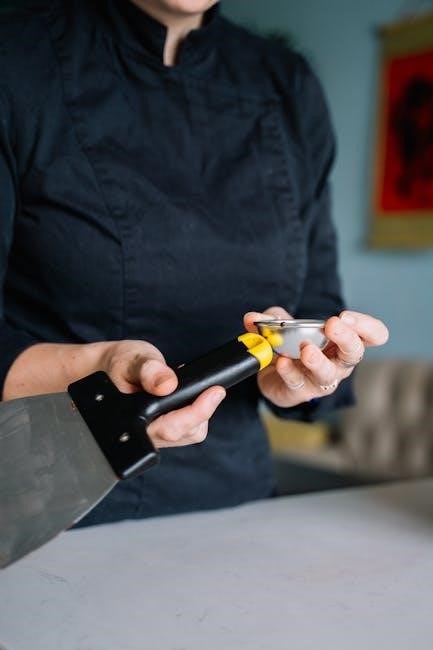
Adjustable angle guides offer the ultimate in versatility, allowing users to customize the sharpening angle to suit different knife types and desired edge characteristics. These guides typically feature a mechanism – often a screw or locking system – that enables precise angle adjustments, ranging from as low as 10 degrees to as high as 30 degrees or more.
This adaptability makes them suitable for sharpening Japanese knives with their shallower angles, as well as Western knives requiring steeper angles. Many adjustable guides incorporate features like a stable base and secure blade clamping mechanisms for enhanced control and safety.
While potentially more expensive than fixed-angle guides, the investment is worthwhile for those who regularly sharpen a diverse collection of blades.
Choosing the Right Angle Guide
Selecting the ideal angle guide depends on material quality, knife size compatibility, and user-friendliness, ensuring consistent sharpening and optimal blade performance for all users.
Material of the Guide
The material of a knife sharpening angle guide significantly impacts its durability, stability, and overall performance. Ceramic guides are known for their hardness and resistance to wear, providing long-lasting accuracy, though they can be more brittle. Diamond guides offer exceptional abrasion resistance and are suitable for sharpening very hard steels, but are typically more expensive.
Polymer or plastic guides are lightweight and affordable, making them a good option for beginners, but may not be as durable as metal or ceramic options. Metal guides, often made from stainless steel, provide a good balance of durability and affordability, offering reliable performance for various sharpening tasks. Consider the type of knives you’ll be sharpening and the frequency of use when selecting the material.
Compatibility with Knife Size
Ensuring compatibility with knife size is crucial when choosing a sharpening angle guide. Some guides are designed for specific blade lengths or widths, limiting their versatility. Universal guides often feature adjustable clamps or bases to accommodate a wider range of knife sizes, from small pocket knives to large chef’s knives.
Consider the thickness of your knife’s blade as well; some guides may not properly fit thicker blades. Larger guides generally offer more stability for larger knives, while compact guides are ideal for portability and smaller blades. Always check the product specifications to confirm the guide’s size range before purchasing, guaranteeing a secure and effective sharpening experience.
Ease of Use and Adjustment
User-friendliness and simple adjustment mechanisms are paramount when selecting a knife sharpening angle guide. Intricate or complicated guides can hinder the sharpening process, especially for beginners. Look for guides with clear markings indicating the sharpening angle and intuitive adjustment features, such as thumb screws or locking mechanisms.
The ability to quickly and accurately adjust the angle is vital for maintaining consistency. Guides with pre-set angles can be beneficial, while adjustable guides offer greater flexibility. A stable base and secure clamping system contribute to ease of use, preventing slippage during sharpening. Prioritize guides that feel comfortable and natural in your hand.
Using a Knife Sharpening Angle Guide
Properly utilizing an angle guide involves secure attachment, consistent pressure, and controlled sharpening strokes to achieve a refined and durable edge on your knives.
Setting Up the Guide
Initial setup is critical for effective sharpening with an angle guide. Begin by securely attaching the guide to the knife blade, ensuring it aligns with the existing bevel or the desired sharpening angle. Magnetic guides clamp on, while clip-on versions require careful positioning and tightening.
Handheld guides necessitate a firm grip and consistent contact with the blade’s spine. Adjustable guides demand precise angle selection and locking mechanisms. Double-check the alignment before commencing sharpening; a misaligned guide yields inconsistent results.
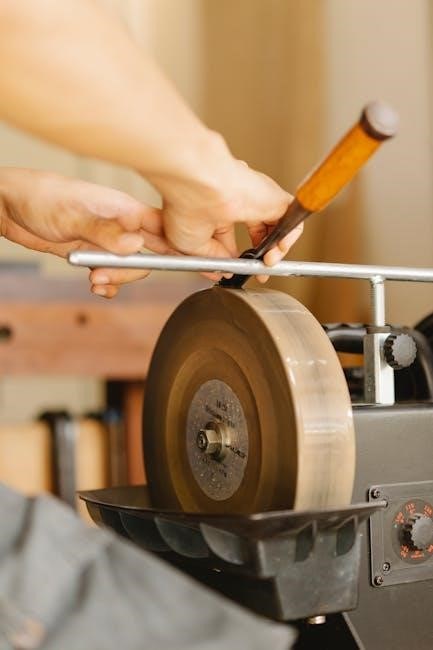
Consider the blade’s thickness and the guide’s compatibility. Some guides are better suited for thicker or thinner blades. A stable setup minimizes slippage during the sharpening process, contributing to a more refined and consistent edge.
Maintaining Consistent Pressure
Consistent pressure is paramount when utilizing a knife sharpening angle guide. Apply moderate, even pressure throughout each stroke, avoiding excessive force which can damage the blade or compromise the guide’s stability. Think of it as guiding the blade, not forcing it.
Maintain a steady hand and let the abrasive do the work. Varying pressure leads to uneven sharpening and a less refined edge. Focus on keeping the guide firmly against the blade while moving in a smooth, controlled motion.
Regularly assess the pressure; it should feel consistent across the entire length of the blade. This technique, combined with a stable guide, ensures a uniform bevel and a razor-sharp result.
Sharpening Techniques with a Guide
Employing proper technique alongside an angle guide maximizes sharpening effectiveness. Begin with lighter passes, establishing a consistent bevel before increasing pressure gradually. Maintain the guide’s contact throughout each stroke, ensuring the correct angle is preserved.
Sharpen in sections, moving along the blade’s length to ensure even coverage. Alternate sides with each pass, or every few passes, to promote symmetrical sharpening. Avoid dwelling on one spot, as this can create flat spots and unevenness.
Visualize the angle and feel the guide’s interaction with the blade. Consistent, controlled movements are key to achieving a professional-quality edge. Remember to follow the abrasive manufacturer’s recommendations.
Sharpening Different Knife Types
Knife type dictates the ideal angle; Japanese knives favor 15 degrees, Western knives 20, pocket knives 20-25, and robust outdoor knives 25-30 degrees.
Japanese Knives (15-Degree)
Japanese knives, renowned for their exceptional sharpness and precision, typically require a 15-degree sharpening angle. This acute angle creates an incredibly fine and delicate edge, perfect for tasks like slicing sashimi or performing intricate vegetable cuts.
Maintaining this angle consistently is paramount, as even slight deviations can diminish the knife’s performance. Using an angle guide is highly recommended for beginners, ensuring accuracy throughout the sharpening process.
Because of the thinner edge, Japanese knives are more prone to chipping if subjected to hard or twisting forces. Therefore, careful handling and regular honing are essential to preserve their razor-sharpness. Sharpening these knives often involves a progression of grits, starting with coarser stones to establish the angle and finishing with finer stones for polishing.
Western Knives (20-Degree)
Western-style knives generally benefit from a 20-degree sharpening angle, offering a balance between sharpness and durability. This angle creates a more robust edge compared to the 15-degree angle used for Japanese knives, making them better suited for handling tougher tasks like cutting through meat or dense vegetables.
The 20-degree edge is more forgiving and less prone to chipping, making it a practical choice for everyday kitchen use. Angle guides are still valuable for maintaining consistency, especially for those unfamiliar with freehand sharpening techniques.
Sharpening Western knives often involves fewer steps than Japanese knives, typically utilizing medium to fine grit stones. Regular honing will help maintain the edge between sharpenings, extending the knife’s lifespan and ensuring optimal performance.
Pocket Knives (20-25 Degree)
Pocket knives typically require a sharpening angle between 20 and 25 degrees, striking a balance between edge retention and resistance to damage. Their versatile nature – often used for a wider range of tasks than kitchen knives – necessitates a slightly more durable edge.
A 20-degree angle is suitable for general use, while 25 degrees provides increased robustness for tougher applications like cutting rope or wood. Utilizing an angle guide ensures consistent results, crucial for maintaining the pocket knife’s functionality in various situations.
Because pocket knives are frequently carried and exposed to potential impacts, a slightly steeper angle helps prevent chipping and rolling of the edge. Regular sharpening and honing are key to keeping these knives ready for action.
Outdoor/Survival Knives (25-30 Degree)
Outdoor and survival knives demand a robust edge, best achieved with a sharpening angle of 25 to 30 degrees. These knives face demanding tasks – batoning wood, preparing food in the wilderness, and potentially self-defense – requiring durability over razor sharpness.
A steeper angle increases the thickness of the blade’s edge, making it less prone to chipping or breaking under stress. While a 25-degree angle offers a good balance, 30 degrees is ideal for heavy-duty use and maximizing edge retention in harsh environments.
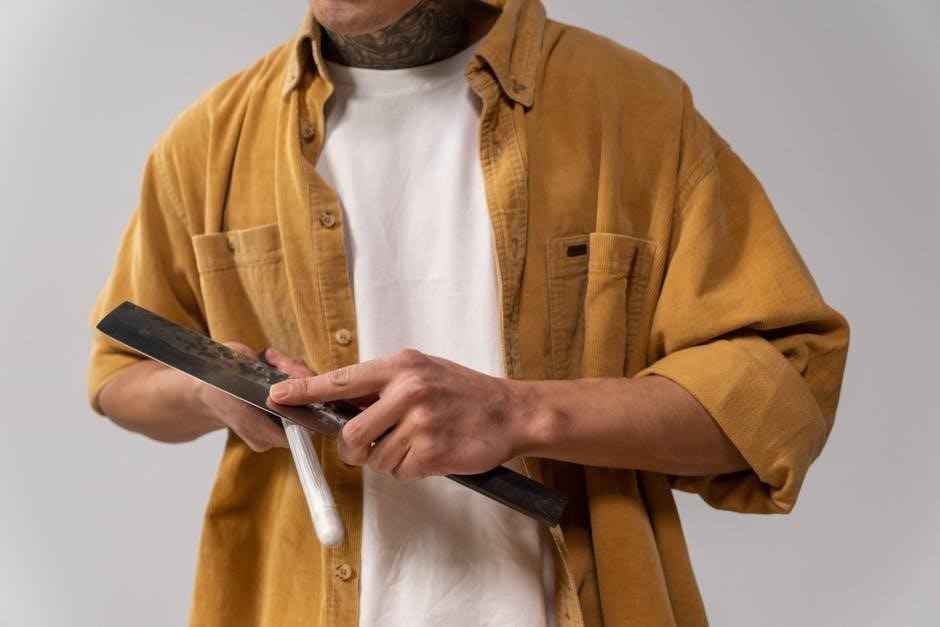
Employing an angle guide is particularly important for these knives, ensuring consistent sharpening across the entire blade, vital when relying on it for critical tasks in survival situations.
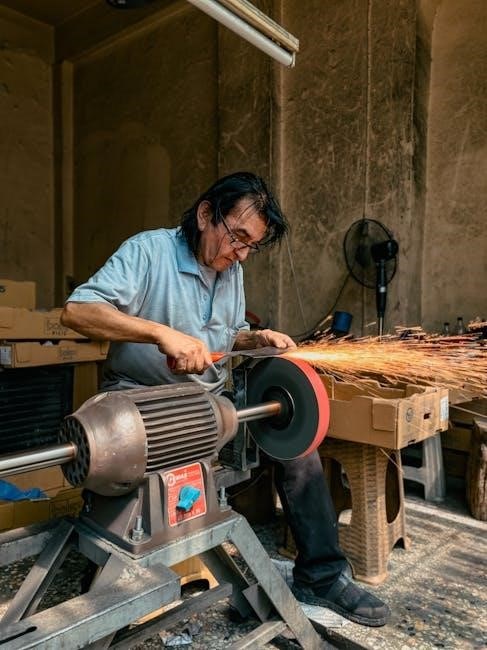
Troubleshooting Common Issues
Sharpening with guides can present challenges like slippage or inconsistent edges; however, proper technique and guide adjustment can overcome these hurdles effectively.
Guide Slipping During Sharpening
A common frustration when utilizing knife sharpening angle guides is experiencing slippage during the sharpening process. This often stems from insufficient clamping force, particularly with clip-on style guides, or an improperly secured magnetic guide. Ensuring a snug fit is paramount; double-check all adjustments before applying pressure with the sharpening stone.
Surface cleanliness also plays a role – oil or debris on the blade or guide can reduce friction. Furthermore, maintaining consistent, moderate pressure throughout each stroke minimizes the likelihood of the guide shifting. If slippage persists, consider a guide with a more robust clamping mechanism or one specifically designed for your knife’s blade shape. Experimenting with different guide types may be necessary to find a secure fit.
Achieving a Consistent Edge
Consistent edge creation is the primary benefit of using knife sharpening angle guides, but it requires technique. Maintaining a steady hand and consistent pressure throughout each stroke is crucial. Avoid varying the angle mid-stroke, as this leads to an uneven edge. Focus on smooth, controlled movements, letting the guide dictate the angle.
Visual confirmation is helpful; periodically check the bevel formation to ensure uniformity. Some guides offer visual indicators to aid in maintaining the correct angle. Remember that even with a guide, practice is key. Consistent results come with repetition and a refined understanding of your sharpening stone and knife blade. Patience and attention to detail are vital for a truly sharp, consistent edge.
Dealing with Different Blade Shapes
Blade geometry varies significantly, presenting challenges when using angle guides. Curved blades, like those found on some chef’s knives, require adapting your technique. Ensure the guide maintains consistent contact along the curve, potentially requiring shorter strokes or adjustments to the guide’s position.
Serrated blades generally aren’t suited for angle guides designed for smooth edges. Specialized tools are needed for serrated sharpening. For blades with complex profiles, like a tanto, adjustable guides are invaluable. They allow customization to match the blade’s unique angle. Remember to prioritize guide stability and secure clamping to accommodate diverse shapes, ensuring a uniform sharpening process.
Advanced Techniques & Considerations
Mastering sharpening involves combining angle guides with various stones, followed by polishing for a refined edge. Regular guide maintenance ensures lasting accuracy and optimal performance.
Combining Angle Guides with Sharpening Stones
Utilizing sharpening stones alongside angle guides elevates your sharpening game, offering a superior edge. Angle guides establish consistency, while stones refine the blade’s geometry. Begin with a coarser grit stone to address significant dullness or damage, always maintaining the guided angle.
Progress to finer grits for polishing, removing scratches, and achieving razor sharpness. Remember to lubricate the stone with honing oil or water, depending on the stone type, to prevent clogging and ensure smooth sharpening. Consistent, even pressure is vital throughout the process.
Experiment with different stone materials – like Japanese water stones or Arkansas stones – to discover what best suits your knives and sharpening style. The combination provides both control and refinement, resulting in a truly exceptional edge.
Polishing After Sharpening
Polishing is a crucial final step after sharpening, refining the edge and maximizing its cutting performance. While sharpening creates the angle, polishing removes microscopic burrs and imperfections left behind by the sharpening stones. Utilize a polishing compound, such as chromium oxide or diamond paste, applied to a leather strop or polishing wheel.
Draw the blade across the strop, maintaining the established sharpening angle, to align the microscopic steel fibers. This process enhances sharpness and creates a mirror-like finish. Consistent, light pressure is key; avoid excessive force, which can round the edge.
Regular polishing extends the life of your sharp edge, reducing the frequency of full sharpening sessions and ensuring your knives remain in peak condition.
Maintaining Your Angle Guide
Proper maintenance extends the life and accuracy of your knife sharpening angle guide. Regularly inspect the guide for any signs of wear, damage, or loose components. Clean the guide after each use to remove metal filings and polishing compounds, preventing corrosion and ensuring smooth operation;
For magnetic guides, verify the magnet’s strength remains consistent. Clip-on guides should have secure attachments, and adjustable guides need periodic recalibration to maintain accurate angle settings. Store the guide in a dry, safe place, protected from impacts and extreme temperatures.
A well-maintained guide delivers consistent results, contributing to sharper, longer-lasting knife edges and a more efficient sharpening process.